
Whoa! This felt overdue. Back when I first tried connecting to a Solana dapp from my laptop, it was clunky. Really clunky. My instinct said: there’s gotta be a smoother way to hop between NFTs, games, and swaps without fumbling extensions or reinstalling stuff every time.
Here’s the thing. Browser wallets on Solana are not just convenience. They change the flow of discovery for new users who want to mint an NFT, play a web-native game, or try a DeFi interface without diving deep into developer tooling. The web version removes friction. It strips away the “did I set the network correctly?” anxiety that used to stop lots of people from trying somethin’ new.
At first I thought browser wallets would only help casual users. But then I started testing a web-first Phantom setup across multiple machines and realized power users benefit too—fast account switching, consistent session handling, and fewer extension conflicts. Actually, wait—let me rephrase that: it helps nearly everyone, though for different reasons.
Technically speaking, the web wallet needs careful design. You want the same cryptographic guarantees you get in an extension. You also want a session UX that feels native, not like a pop-up left over from 2018. And because Solana dapps are often real-time and asset-heavy, performance matters. Slow cryptographic operations break immersion—even if the backend is fast.
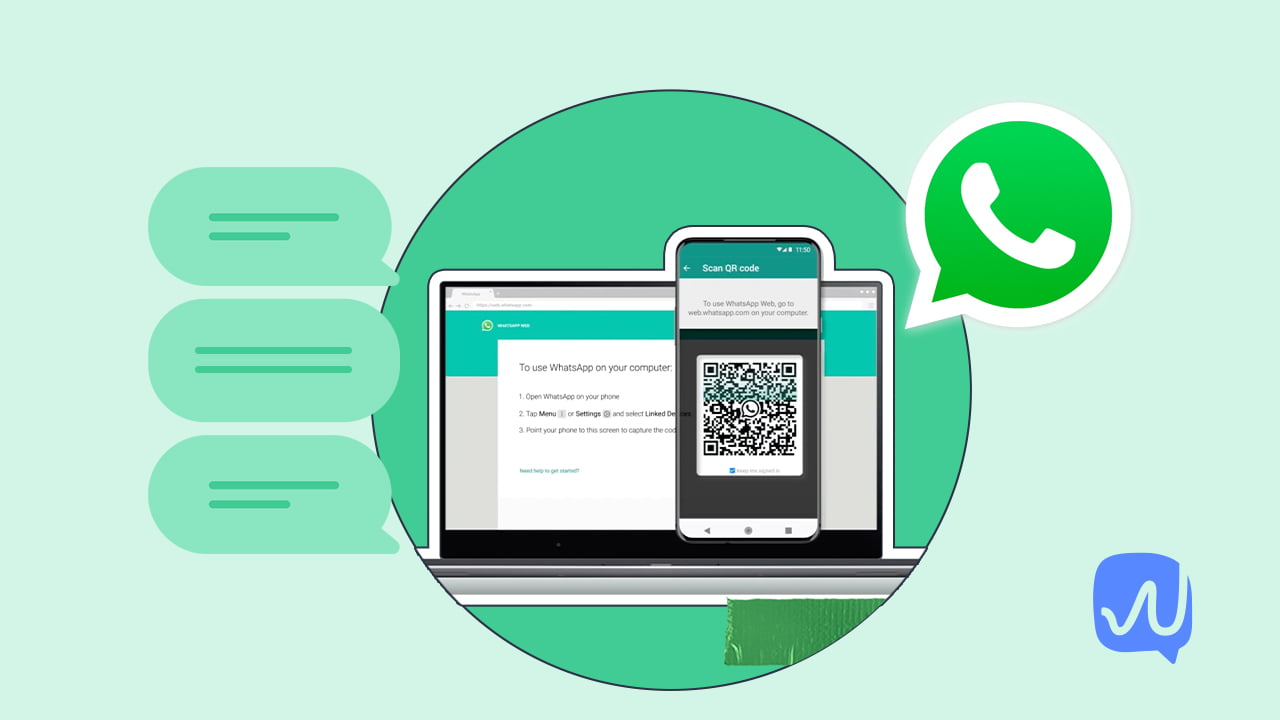
How a web-based Phantom wallet actually helps Solana users
Okay, so check this out—imagine visiting an NFT drop page and connecting instantly, no extension setup, no hunting through browser settings. That’s the immediate UX win. For creators launching limited mints, that reduced friction can mean faster sellouts and fewer checkout fails. For collectors, it means less fear of losing a mint because your wallet didn’t respond.
Security is the first question on people’s minds. Seriously? People ask it all the time. A web wallet must isolate private keys securely, use hardware-backed storage where possible, and prompt users in ways that reduce click-happy confirmations. On one hand, browser contexts are riskier than isolated extensions. Though actually, modern web APIs and secure enclaves narrow that gap substantially if implemented correctly.
Performance-wise, Solana dapps often rely on quick RPC responses and heavy signature throughput. A web wallet that batches signatures, caches non-sensitive data, and uses efficient serialization can shave seconds off interactions. Seconds matter. Especially during high-demand NFT drops or when liquidity shifts fast on AMMs.
Developer perspective: building for a web wallet changes testing. You now need to verify cross-origin flows, CORS policies, and session expiration behaviors across different browsers and devices. I remember debugging a wallet handshake that broke on Safari—ugh—because its cookie isolation behaved unexpectedly. Small details like that can create big user friction.
Then there’s onboarding. People from the Bay Area to middle America are pretty used to clicking a link and getting started. The fewer steps before a user sees their first NFT in their wallet, the more likely they are to stick around. I’m biased, but friction kills retention—very very true.
Practical tips for users and dapp builders
For users: if you want the web experience, try a well-known, audited web wallet and check for a simple, clear recovery flow. A lot of wallets display recovery phrases like they’re a fine print paragraph—don’t ignore that. Back it up. Seriously.
For builders: design with optimistic UX but guard the important actions. Show explicit confirmations for transfers, highlight fee estimates, and surface reputation data for contracts. Offer account context so users don’t accidentally sign from the wrong key. If you’re shipping an NFT mint, expose gas implications and expected block times. Little things reduce big mistakes.
Personally, I like when a web wallet gracefully degrades. If a function needs a hardware key, show that path. If connectivity is flaky, queue actions client-side and show pending states. Users feel in control when the app communicates status clearly, not just with spinners and silence.
One more practical note: integrations. A good web Phantom wallet integrates seamlessly with Solana dapps while leaving minimal surface area for phishing. That means origin checks, explicit domain prompts, and consistent visuals so users recognize legitimate prompts. (oh, and by the way… educate your users about phishing—it’s not glamorous but it’s crucial.)
Try it yourself — where to start
If you want to test a web-first experience, check out a reliable implementation like the phantom wallet offering. Use a testnet first, mint a cheap NFT, and walk through account recovery. Your first few tries will teach you more than a whitepaper ever could.
Initially I thought browser wallets were a superficial convenience. Then after weeks of hands-on testing, watching friends and colleagues onboard, I saw the real impact: lowered cognitive load, faster experimentation, and more creative use of Solana dapps. On one hand it democratizes access. On the other, it pushes designers to be more careful about security and clarity.
My instinct said the major barrier would be security. And yes, that’s still the top concern. But user education, sensible defaults, and careful UI reduce most of the risk for average use. I’m not 100% sure of everything, though—edge cases remain, especially for multi-sig and institutional-grade accounts.
FAQ
Is a web wallet safe for large holdings?
Short answer: treat it like a convenient hot wallet. For large sums, use hardware wallets or custody solutions. A web wallet is excellent for daily interactions and testing, but for long-term storage consider cold strategies.
Will all Solana dapps work with a web wallet?
Most will, but compatibility depends on the wallet’s API and the dapp’s integration patterns. Some legacy apps expect injection-based extensions; newer dapps support standard web connectors. If something breaks, report it—developer feedback helps fast.