
Background and Timeline
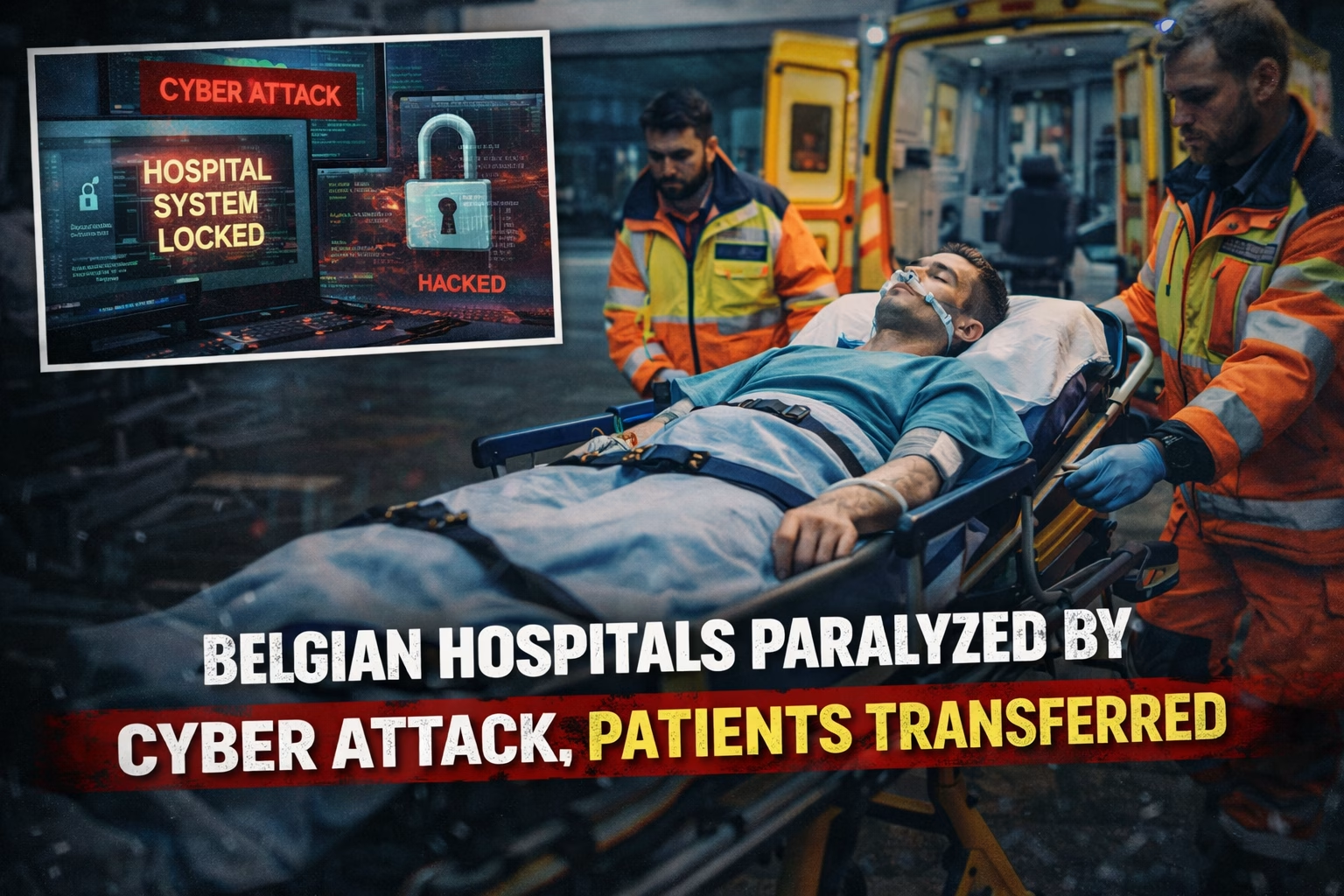
On 13 January 2026, AZ Monica hospitals in Antwerp and Deurne, Belgium, suffered a major cyberattack that forced the shutdown of critical computer systems. The attack led to the cancellation of all surgeries, the transfer of critical patients, and significant disruption to healthcare services over multiple days.
Modus Operandi
While the exact nature of the attack remains undisclosed, the incident involved the compromise of hospital servers, leading to the suspension of emergency services and the unavailability of Mobile Urgency Groups (MUG) and Paraprofessional Intervention Teams (PIT). The attack is suspected to be ransomware or a similar disruptive campaign targeting healthcare infrastructure.
Victims and Impact
At least 70 surgeries were cancelled, and seven critical patients were transferred to other hospitals with the help of the Red Cross. Emergency departments operated at reduced capacity, with ambulances diverted and patients urged to seek care elsewhere. Patient registration times increased, and the disruption was expected to continue for several days, affecting both staff and patients.
Investigation and Agencies Involved
AZ Monica hospital authorities, supported by Belgian cybersecurity agencies and law enforcement, launched an investigation into the attack. The incident was widely reported in local and international media, highlighting the vulnerability of healthcare systems to cyber threats.
Arrests and Suspects
No arrests have been reported as of the latest updates. The attack is part of a broader trend of ransomware and cyber-espionage campaigns targeting critical infrastructure in Europe and globally.
Broader Implications and Trends
The Belgian hospital cyberattack underscores the severe risks posed by cyber threats to healthcare delivery and patient safety. The incident reflects a global surge in attacks on hospitals, with ransomware groups and APT actors exploiting vulnerabilities for financial gain or strategic disruption. The case has prompted calls for enhanced cybersecurity measures, incident response planning, and international collaboration to protect critical healthcare infrastructure.