
Background and Timeline
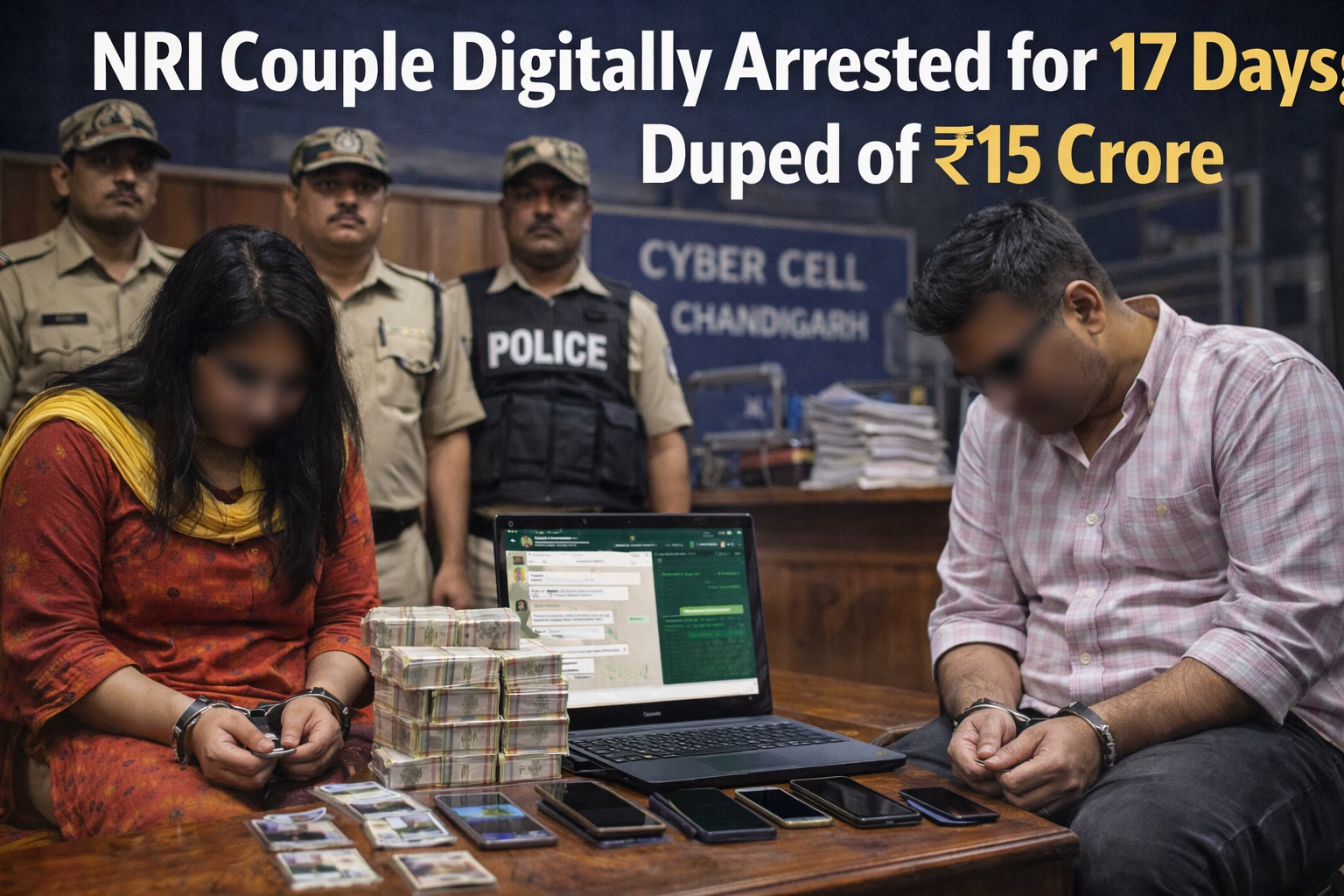
Between December 24, 2025, and January 10, 2026, an elderly NRI doctor couple in Delhi—Dr. Om Taneja and Dr. Indira Taneja—were subjected to a prolonged “digital arrest” scam. Having returned to India after decades of service with the United Nations in the US, the couple became victims of a meticulously orchestrated cyber fraud that resulted in the loss of their life savings, totaling ₹14.85 crore.
Modus Operandi
The scam began with a call from individuals posing as law enforcement officials, who accused the couple of involvement in money laundering and national security violations under the Prevention of Money Laundering Act (PMLA). The fraudsters placed the couple under continuous video surveillance via phone, instructing them not to disconnect and to keep their phones charged at all times. Over 17 days, the scammers coerced Dr. Indira Taneja into transferring funds to eight different bank accounts, providing her with scripted explanations for bank staff and monitoring her every move. The psychological manipulation was so intense that the couple did not alert anyone, believing their actions were required for “national security”.
Victim Impact and Financial Losses
The couple lost ₹14.85 crore, transferred in increments of ₹2 crore or more, by liquidating mutual funds and other assets. The funds were dispersed across multiple mule accounts in seven states, with only ₹1.41 crore recovered or frozen by police. The emotional trauma and financial devastation have led the couple to consider leaving India if their savings are not recovered.
Investigation and Agencies Involved
The case was reported to the local police station on January 10, 2026, and subsequently transferred to the Special Cell’s cyber unit (IFSO) for investigation. The Enforcement Directorate (ED) is also involved, given the use of PMLA as a pretext. The investigation has traced the money trail through hundreds of mule accounts and digital wallets, with ongoing efforts to identify and apprehend the perpetrators.
Arrests and Legal Provisions
As of the latest reports, no arrests have been made, but the investigation is ongoing. The case is being pursued under sections of the BNS, IT Act, and PMLA, with charges including organized crime, cheating by personation, and money laundering. The use of digital arrest as a modus operandi is being closely monitored by I4C and law enforcement agencies nationwide.
Broader Implications and Trends
This case highlights the vulnerability of even highly educated and experienced individuals to psychological manipulation and digital fraud. The use of “digital arrest” tactics, leveraging fear and authority, is a growing trend in cybercrime. The case underscores the importance of public awareness, prompt reporting via the 1930 helpline, and real-time financial tracing to prevent and mitigate losses.