
Background and Timeline: The Cyber Investigation Centre for Excellence (CICE) in Jammu and Kashmir released a major performance update on January 15, 2026, regarding fraud recovery. SSP Ramesh Gupta stated that over 18,000 cyber fraud complaints were received nationally during 2025, with a significant number originating from the UT. The report emphasizes that prompt action by victims has led to a record-breaking recovery rate in the region.
Modus Operandi: The success is rooted in the “Golden Hour” principle—the immediate period after a fraud occurs where funds can still be traced and frozen within the banking system. SSP Gupta cautioned citizens against downloading suspicious apps or opening unknown links that often lead to data theft and financial loss. He also highlighted the danger of “mule accounts,” which are created when citizens share their personal credentials with cybercrime networks.
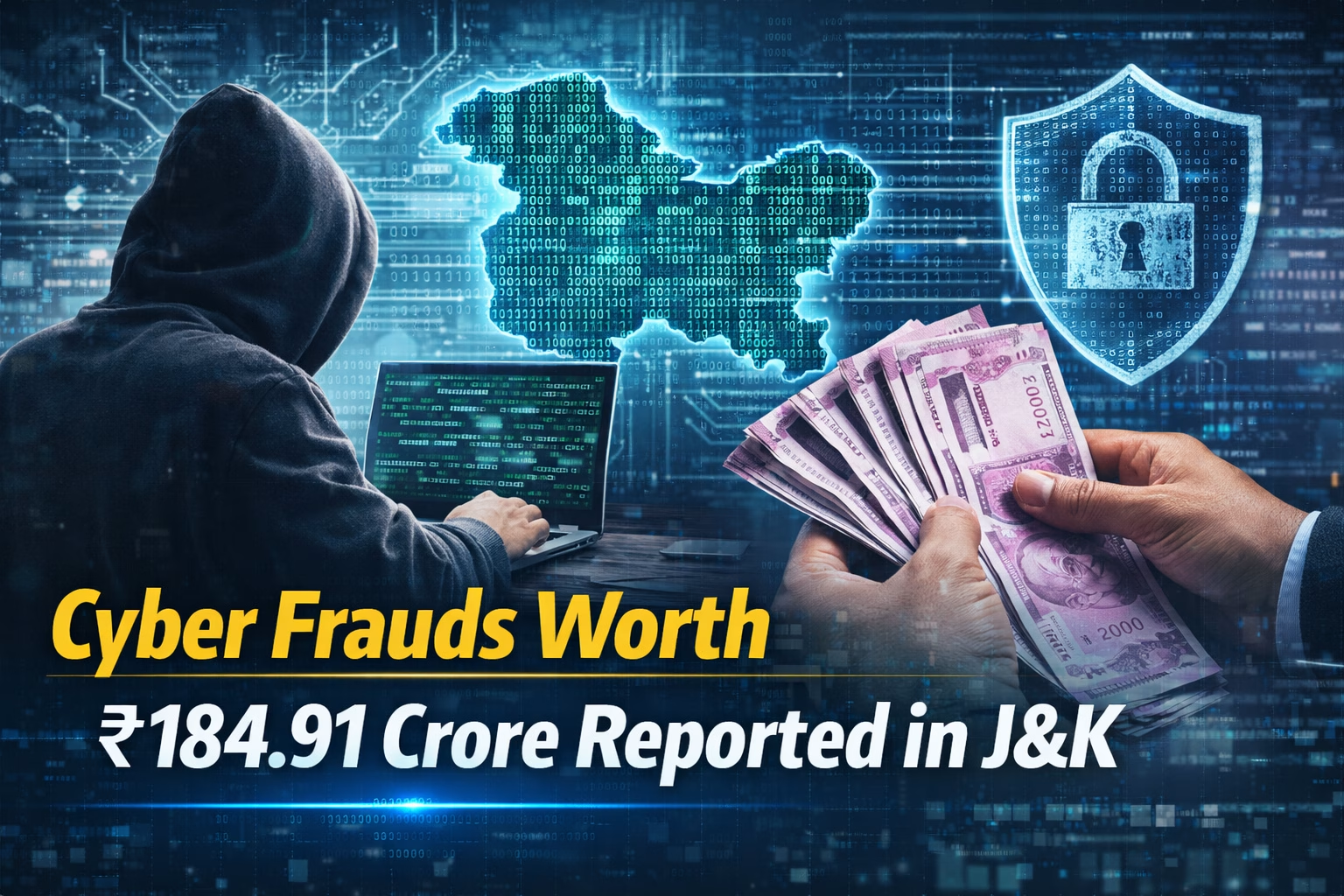
Victims and Financial Impact: In the Union Territory of Jammu and Kashmir alone, cyber fraud cases totaling ₹184.91 crore were formally reported in the last cycle. Out of this reported amount, authorities were successfully able to recover and restore ₹32.64 crore to the cheated account holders. Timely intervention has prevented total financial devastation for hundreds of local families.
Investigation and Agencies Involved: The Cyber Investigation Centre for Excellence (CICE), led by Senior Superintendent of Police Ramesh Gupta, is the primary investigative unit for the region. They operate under the framework of the Indian Cyber Crime Coordination Centre (I4C) and utilize the National Cybercrime Reporting Portal (NCRP) for real-time tracking. The 1930 national helpline acts as the primary tool for citizens to trigger these recovery protocols.
Arrests and Suspects: Ongoing investigations focus on dismantling the infrastructure of mule account providers who sell their banking access to international syndicates. While no specific arrest numbers were given for this recovery, the SSP urged citizens to report incidents without hesitation or embarrassment. Cyber police remain available 24/7 to assist victims in navigating the refund process through the new “Money Restoration Module”.
Broader Implications and Trends: The J&K model underscores that public awareness remains the most effective tool in preventing and mitigating cybercrime. It reinforces the national strategy that “prompt reporting” can overcome even the most sophisticated financial layering tactics. The focus on mule account awareness reflects a new defensive priority in stopping the “exit points” of cybercrime networks.