
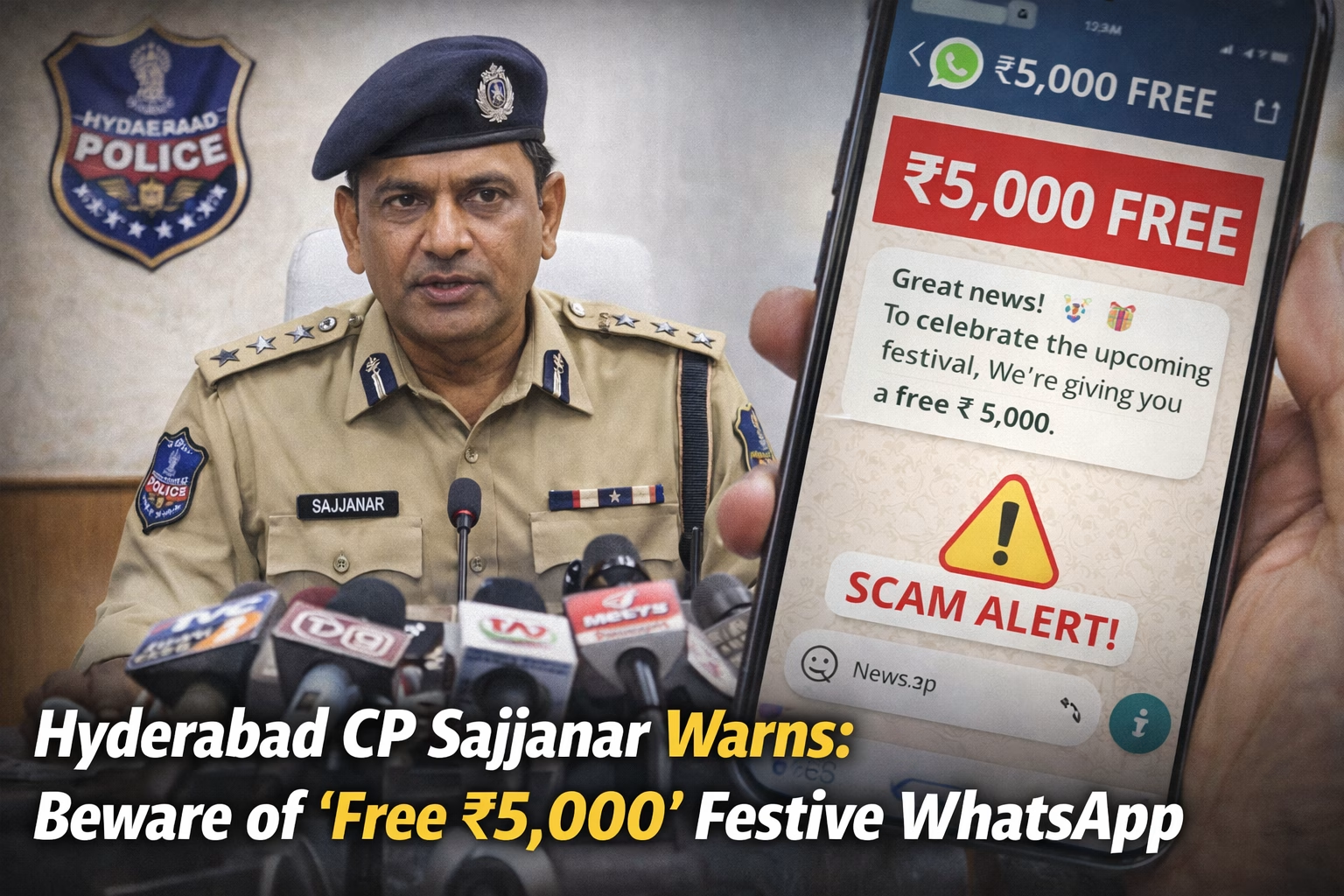
Background and Timeline: Hyderabad Police Commissioner VC Sajjanar issued an urgent public caution on January 18, 2026, regarding fraudulent links circulating on messaging platforms. The warning was released during the Sankranti and Republic Day festive period, which scammers traditionally exploit for high-volume targeting. The CP took to social media to alert citizens about the psychological tricks used to lure unsuspecting victims into clicking malicious links.
Modus Operandi: Fraudsters circulate fake WhatsApp messages with titles like “PhonePe Republic Day Mega Gift” or “Sankranti Gift” promising instant credits of ₹5,000. These messages often include fake testimonials, such as “At first I thought it was fake, but I really got ₹5,000,” to lower the recipient’s guard. Clicking the link installs malware on the phone, allowing scammers to steal personal data, bank PINs, and passwords, and drain accounts within minutes.
Victims and Financial Impact: While specific regional totals were not disclosed, the CP warned that such scams are designed to drain entire bank accounts once the malware is active. The psychological nature of the trap means that even messages from known contacts or trusted WhatsApp groups can be malicious if the sender’s phone is compromised. Victims often realize the theft only after receiving multiple debit notifications from their banks.
Investigation and Agencies Involved: The Hyderabad City Police are monitoring the circulation of these links through their social media command center. Commissioner VC Sajjanar clarified that legitimate payment apps like PhonePe and Google Pay do not distribute money through random WhatsApp links. Citizens have been advised to verify all festive offers through official websites or verified service provider applications.
Arrests and Suspects: N/A (This is a preventative advisory based on active threat monitoring). Police are currently investigating the origin of the malicious domains, noting that they often carry suspicious characters like “.xyz” which are not associated with official platforms.
Broader Implications and Trends: The warning highlights the persistent threat of “smishing” (SMS phishing) and social engineering that targets victims during national holidays. Scammers leverage festive joy to bypass traditional security caution, making public awareness campaigns essential for digital defense. Authorities have urged anyone who has clicked such links to immediately report the matter to the 1930 helpline.