
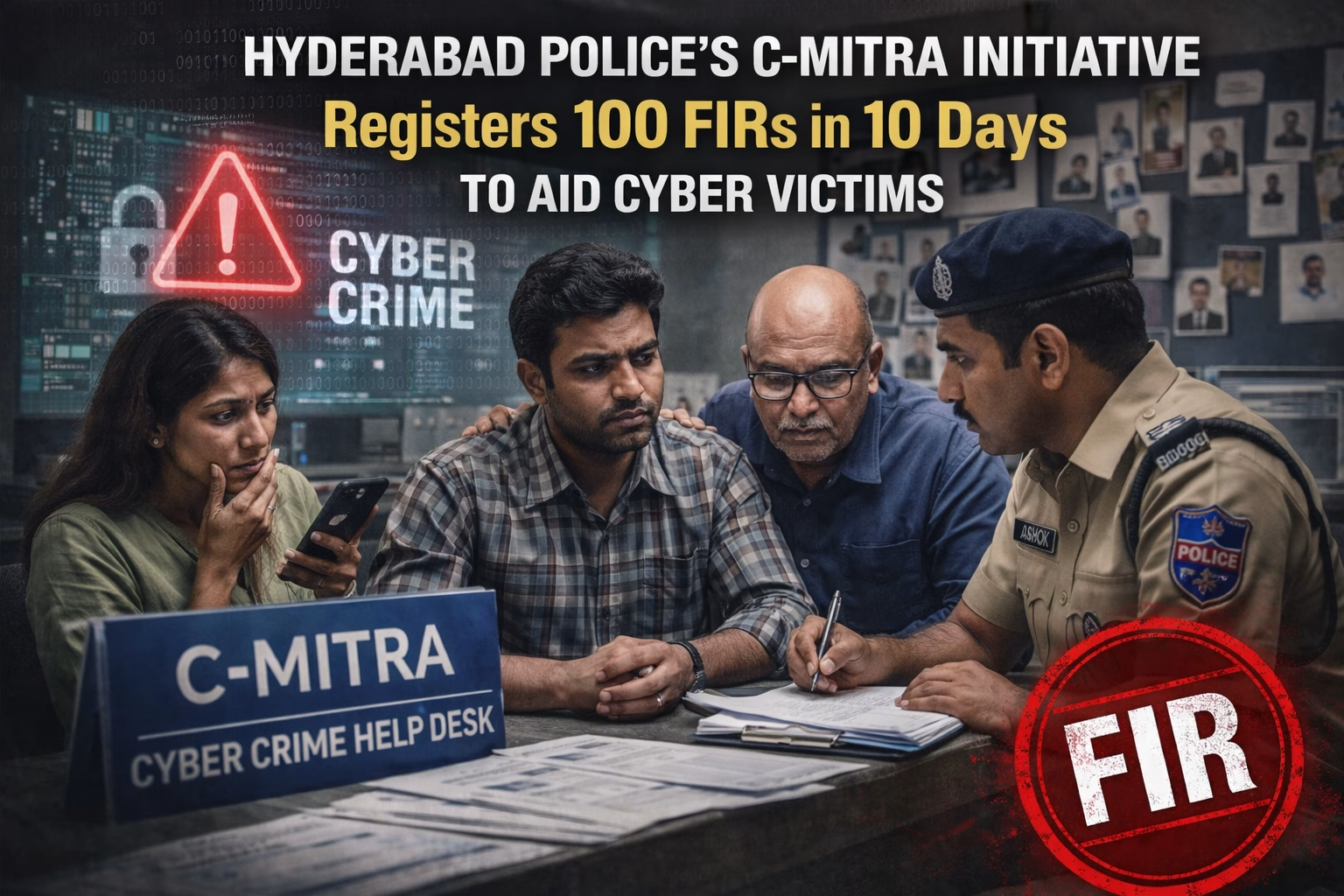
Background and Timeline: C-Mitra, a groundbreaking virtual helpdesk initiative launched by the Hyderabad City Police, has delivered immediate results for cybercrime victims. The project was officially inaugurated by City Police Commissioner Sri VC Sajjanar, IPS, on January 9, 2026, to streamline the FIR process. In its first 10 days of operation, the initiative has fundamentally transformed how the city handles cyber fraud complaints, offering a much-needed layer of support and technical guidance.
Modus Operandi: The C-Mitra team operates as a specialized virtual intervention unit that makes an average of 100 proactive calls daily to victims who have reported crimes. Leveraging Artificial Intelligence (AI), the team gathers specific details of the fraud and automatically generates a legally sound complaint draft for the victim. This draft is then sent directly to the victim via WhatsApp or email, simplifying the complex legal process and ensuring that the victim can register a formal complaint without navigating multiple departments.
Victims and Financial Impact: In the first ten days alone, the initiative reached out to nearly 1,000 victims of various cyber offenses reported via the 1930 helpline and NCRP portal. This high level of engagement resulted in the successful registration of over 100 First Information Reports (FIRs), providing a path for legal recovery for those who might have otherwise been too overwhelmed to file. The initiative specifically aims to help victims who are unfamiliar with technical procedures, ensuring their grievances are professionally documented for investigation.
Investigation and Agencies Involved: C-Mitra is a primary initiative of the Hyderabad City Police, working in synchronization with the national 1930 helpline and the National Cyber Crime Reporting Portal. The process is triggered as soon as a victim reports a crime through these central channels, allowing for immediate police outreach. The project is part of a larger push by Commissioner Sajjanar to integrate AI-driven solutions into modern policing to improve victim-centric grievance redressal.
Arrests and Suspects: While C-Mitra is primarily a victim support and case registration initiative, the high volume of professional FIRs it has generated has accelerated the investigative process against multiple fraud syndicates. The detailed complaint drafts provided by the AI-powered helpdesk allow specialized cyber cells to initiate technical probes and bank account freezes much faster than traditional methods. This rapid documentation has already led to the identification of several recurring mule account clusters.
Broader Implications and Trends: The success of C-Mitra demonstrates how AI and virtual helpdesks can be used to bridge the gap between reporting a crime and initiating a formal investigation. It serves as a national template for “Victim-First” cyber policing, prioritizing clarity and legal assistance over traditional bureaucratic hurdles. Authorities believe that reducing the friction in the FIR process will lead to significantly higher conviction rates and improved restoration of defrauded funds for citizens.