
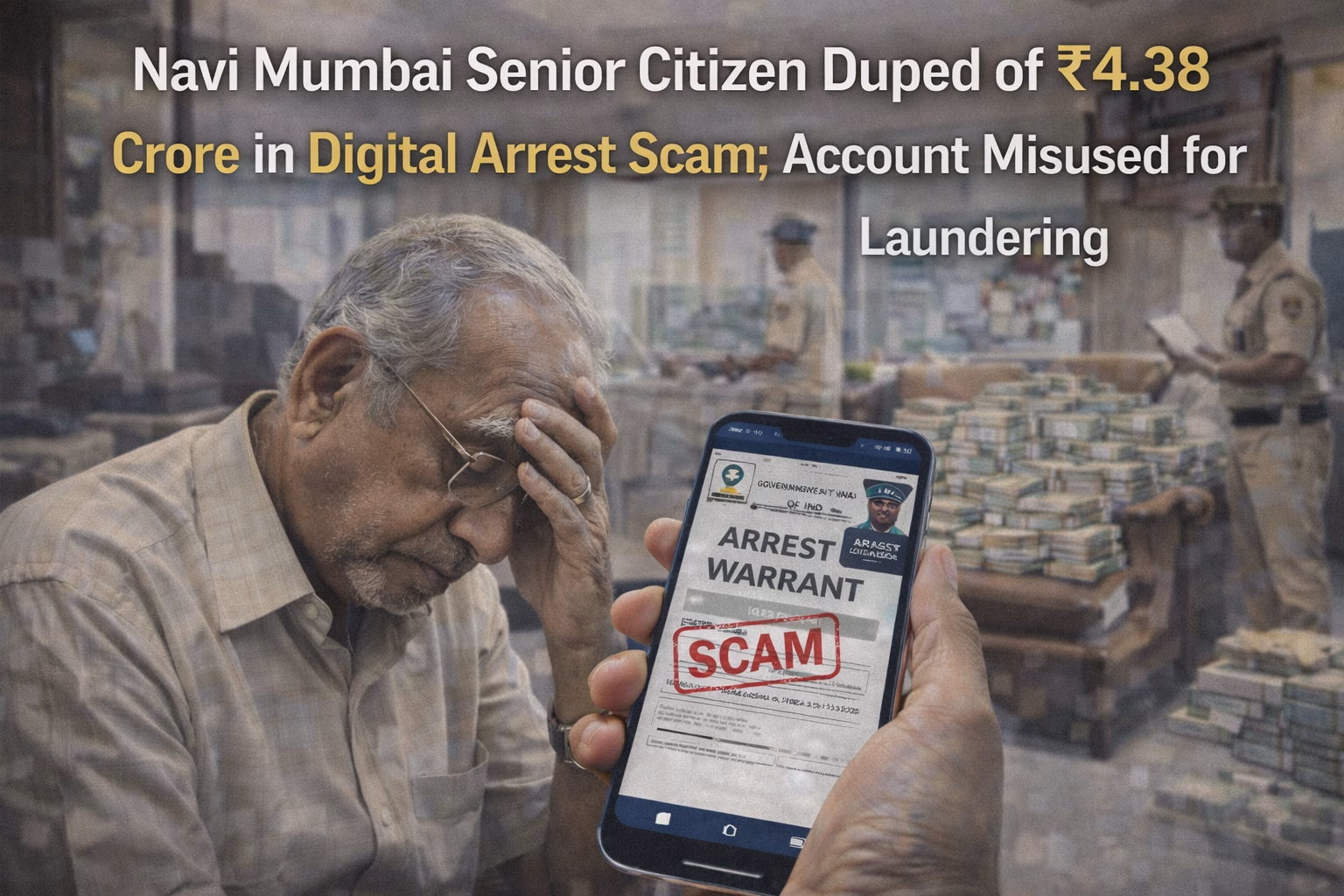
Background and Timeline: An 80-year-old retired director of an engineering and technical institute in Jaipur was targeted in a sophisticated “digital arrest” scam on November 18. This incident represents the first major digital arrest fraud case registered in Navi Mumbai in 2026. The victim, a resident of Kharghar, was kept under psychological duress for several weeks before finally realizing he was part of a much larger laundering network.
Modus Operandi: Fraudsters impersonating “Cyber Data Protection of India” and Nashik police officials claimed the victim’s Aadhaar was linked to a terror-related bank account. He was placed under “digital arrest” via WhatsApp video and shown forged FIRs, RBI letters, and even fabricated Supreme Court communications to maintain the illusion of legality. In a unique twist, the scammers credited ₹1.02 crore to his account from other victims and forced him to transfer those funds onward, effectively using him as an unwitting mule.
Victims and Financial Impact: The elderly victim suffered a personal financial loss of ₹4,38,62,210, paid out in multiple installments between November 26 and January 9. Additionally, his bank account was misused to layer and transfer over ₹1 crore siphoned from other cyber fraud victims across India. The financial devastation was total, as the scammers coerced him into withdrawing his entire savings and investments under the guise of “RBI verification.”
Investigation and Agencies Involved: The Cyber Police Station in Navi Mumbai is currently tracking the bank accounts, phone numbers, and IP addresses used in the fraud. The case came to light when Nagpur City Cyber Police flagged the victim’s Bank of Maharashtra account for suspicious transactions linked to other crimes. A case has been registered against unknown persons for impersonation, cheating, and forgery under the Bharatiya Nyaya Sanhita and the IT Act.
Arrests and Suspects: No suspects have been officially named in the arrest phase of the Kharghar case yet, as the investigation focuses on the international handlers. Police are analyzing the “Cyber Data Protection of India” impersonation script to find links to Cambodian scam farms. Investigators have requested data from telecom providers to identify the owners of the multiple numbers that called the victim simultaneously to escalate pressure.
Broader Implications and Trends: This case demonstrates a disturbing evolution where high-net-worth victims are manipulated into acting as “human mule accounts” for the syndicate. It illustrates how scammers are now combining digital arrest with complex money laundering cycles to hide the true origin of their stolen funds. Authorities have issued a fresh warning that legitimate agencies never issue arrest warrants or conduct verification procedures via WhatsApp video calls.