
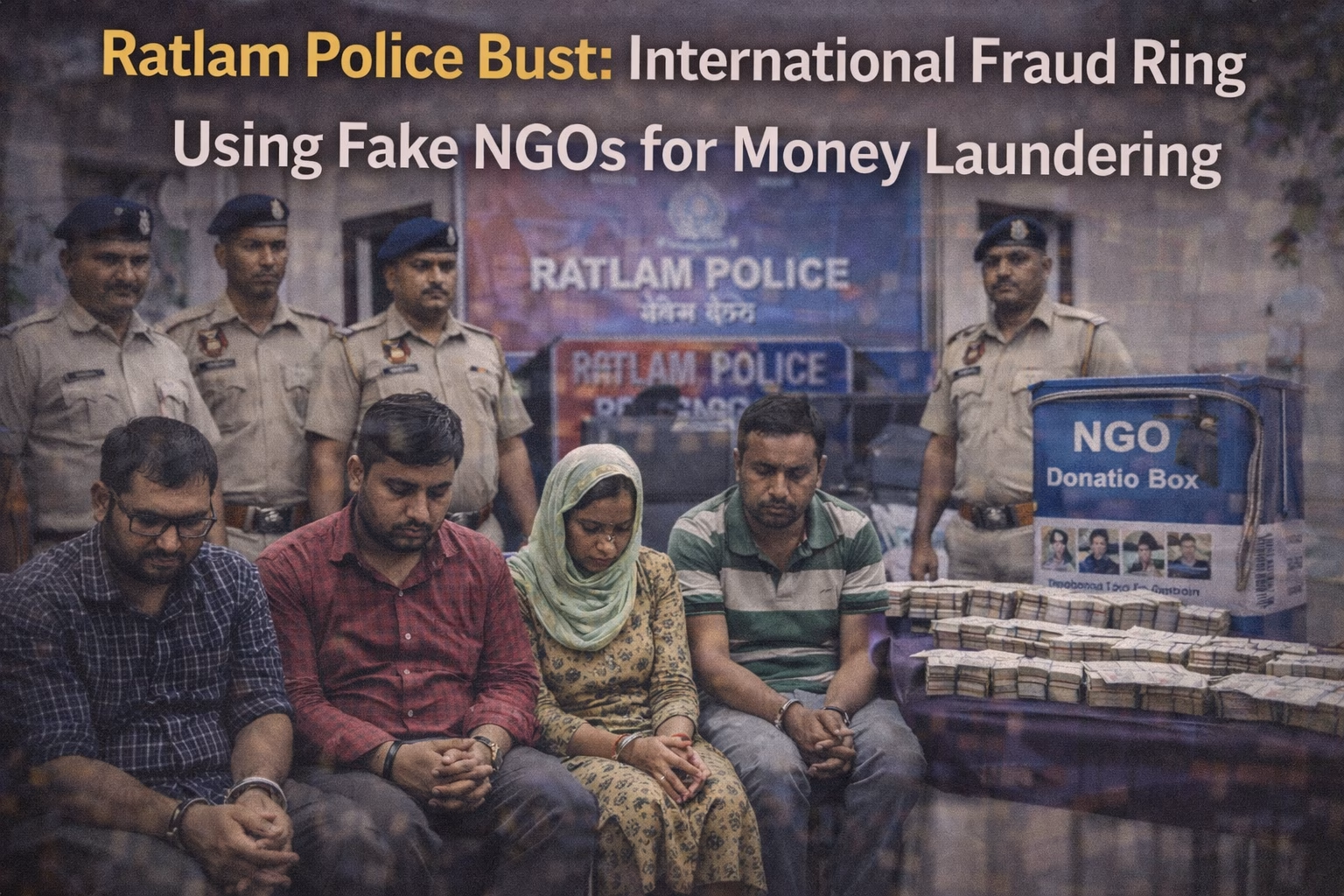
Background and Timeline: Madhya Pradesh police uncovered a sophisticated international fraud syndicate on Tuesday, January 27, 2026, following a cheating complaint by a local professor in Ratlam. The investigation initially focused on a localized cheating case but rapidly expanded as technical evidence pointed toward a massive cross-border network. The syndicate had been operating for months, using a complex veneer of charitable work to hide their illicit financial activities.
Modus Operandi: The syndicate utilized fake NGOs and forged institutional documents to build trust and legitimacy with their targets. They manipulated the perceived integrity of charitable foundations to open specialized bank accounts that are less likely to trigger traditional automated fraud alerts. These accounts were then used as “parking spots” for funds siphoned from victims through various cheating schemes, allowing for high-volume transactions with reduced risk of immediate detection.
Victims and Financial Impact: While the Ratlam professor was a primary victim, investigators believe that dozens of other professionals and investors may have been defrauded by the same network. The total financial impact is currently under audit, with preliminary findings suggesting multi-crore siphoning routed through international channels. The use of forged documents allowed the gang to misappropriate funds while presenting their activities as legal commercial or philanthropic transactions.
Investigation and Agencies Involved: The Madhya Pradesh Cyber Crime Team led the probe, conducting a deep audit of the suspect NGO’s registration and banking history. Technical experts utilized I4C data to trace the overseas links of the syndicate, identifying handlers operating from outside Indian borders. The investigation involved a forensic review of the forged documents to determine the sophisticated methods used by the gang to bypass institutional verification.
Arrests and Suspects: The initial arrests in the professor’s cheating case provided the critical leads that unmasked the wider international network. Authorities are currently pursuing several local intermediaries who provided the forged documents and assisted in the creation of the shell NGOs. A wider probe into cross-border financial fraud is currently underway to identify the ultimate beneficiaries of the siphoned capital.
Broader Implications and Trends: This case marks a dangerous evolution where cyber syndicates weaponize the charitable sector to provide “safe harbor” for stolen funds. It underscores a strategic shift toward using educational and nonprofit credentials to bypass the heightened banking scrutiny applied to individual accounts. Authorities have warned that financial institutions must implement stricter due diligence when processing high-value transactions involving foundations.