
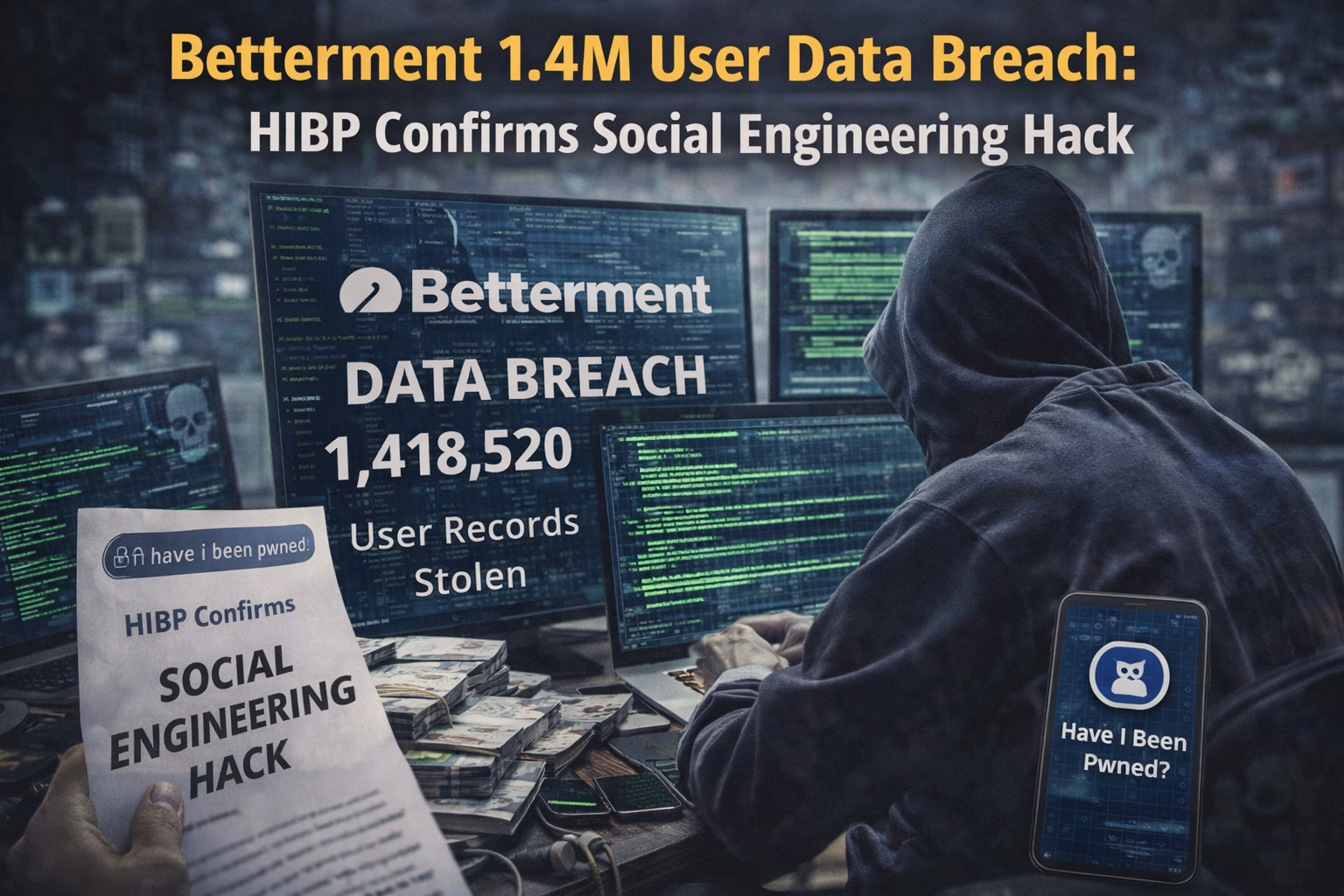
Background and Timeline: Breach-tracking site Have I Been Pwned (HIBP) reported a significant security incident affecting the fintech firm “Betterment” on Tuesday, February 3, 2026. The company, known for its automated investment services, first detected unauthorized access to its internal systems on January 9. While the company initially downplayed the scope, the HIBP report confirms that the fallout is much wider than previously acknowledged.
Modus Operandi: The hacker gained entry through a “Social Engineering Ruse” that relied on impersonating a trusted authority to infiltrate third-party operations tools. Once inside, the attacker utilized his access to send millions of customers a fraudulent “cryptocurrency promotion” disguised as an official Betterment message. This “Vishing-to-SaaS” tactic allowed the perpetrator to harvest sensitive contact data while simultaneously attempting to dupe users into secondary crypto-investment scams.
Victims and Financial Impact: The dataset tied to the attack contains approximately 1.4 million unique email addresses and personal contact details. For a subset of these users, the accessed data also included highly sensitive information such as physical mailing addresses, phone numbers, and dates of birth. While customer accounts and passwords were not directly exposed, the leaked data provides the perfect foundation for future “High-Trust” phishing attacks against the firm’s clientele.
Investigation and Agencies Involved: Betterment’s internal security teams are working with an independent data analytics provider to review the material posted online by the hackers. HIBP and the broader cybersecurity community are analyzing the leaked files to confirm the exact scope of the dates-of-birth exposure. The investigation is mapping the “Identity Paths” used by the attacker to bypass the firm’s standard multi-factor authentication protocols during the initial breach.
Arrests and Suspects: No suspects are in custody as of the latest update, but investigators are profiling a highly motivated threat actor capable of handling massive user databases. The group claiming responsibility for the breach has reportedly posted the data for sale on a dedicated leak site after a failed extortion attempt. Forensic teams are looking for similarities between this attack and previous “SaaS Extortion” campaigns carried out by the ShinyHunters collective.
Broader Implications and Trends: This hack demonstrates the “interconnected fragility” of the service economy, where a compromise of a third-party tool can expose millions of primary customers. it underscores a trend where “Identity Security” has become the primary battleground for the fintech sector. Experts warned that as investment platforms migrate more services to the cloud, “Permission Drift” remains a greater risk than traditional malware.