
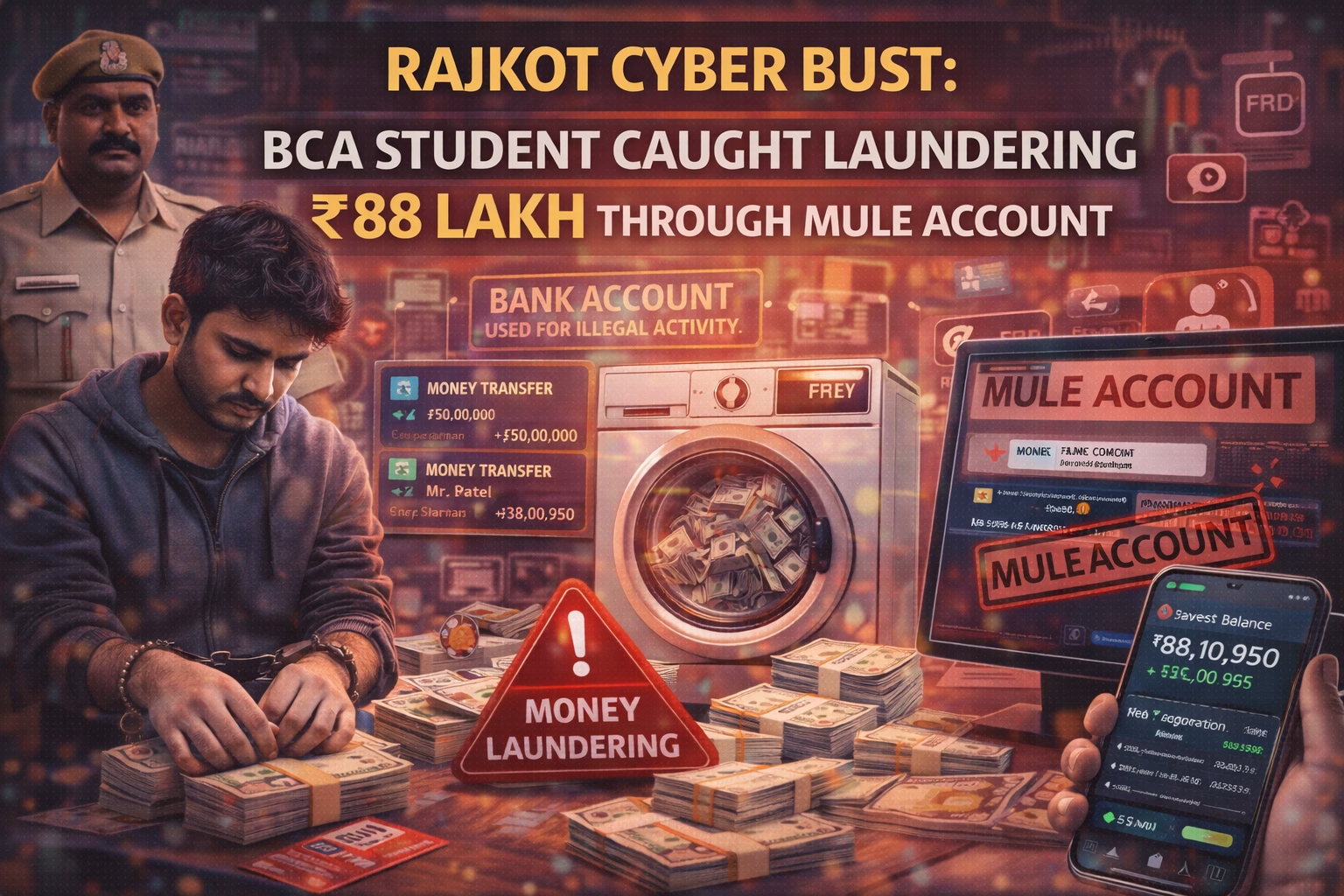
Background and Timeline: On February 6, 2026, law enforcement in Rajkot apprehended a tech student for his involvement in a national cybercrime operation. The investigation was triggered when the student’s personal bank account was flagged by the NCRP after being linked to multiple complaints. This arrest is part of a wider effort by Gujarat police to dismantle the “front-end” of cyber syndicates.
Modus Operandi: The student acted as a “mule,” allowing his bank account to be used by scammers to receive and transfer defrauded funds. In exchange for his cooperation, he was promised a fixed percentage or commission on every transaction processed through his credentials. Scammers typically recruit such individuals through online job boards or Telegram groups.
Victims and Financial Impact: The student’s account was found to have processed proceeds from various cyber-crimes totaling approximately ₹88 lakh. These funds were siphoned from multiple victims across the country who had fallen for phishing or investment scams. The impact of such mule accounts is systemic, providing the essential infrastructure for criminals to hide.
Investigation and Agencies Involved: The Rajkot Cyber Crime Cell identified the student through technical tracking and account scrutiny provided by national portals. Investigators are now analyzing the student’s communication logs to identify the “herders” who recruited him. They are collaborating with national agencies to trace the final destination of the funds.
Arrests and Suspects: The BCA student was caught and is currently being interrogated to identify the broader network of suspects. Police are focusing on whether other students in the same institution were also recruited by the same syndicate. No further arrests have been reported yet, but the student’s disclosure is expected to lead to identifying coordinators.
Broader Implications and Trends: This case underscores the targeted recruitment of youth by cyber syndicates who exploit their digital literacy and need for quick income. It highlights a growing social risk where students become participants in organized crime without fully realizing the legal consequences. Authorities emphasize the need for stricter bank monitoring.