
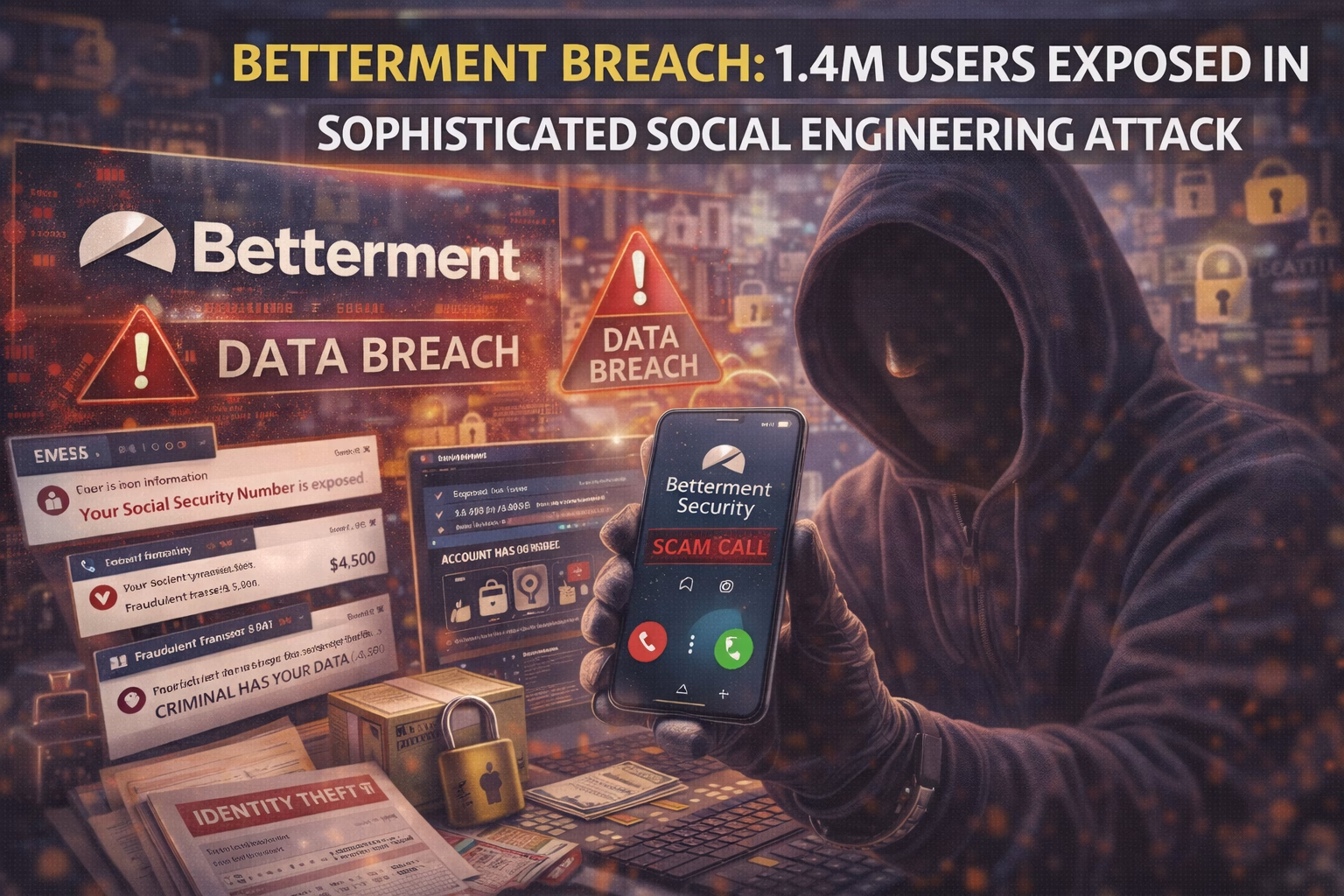
Background and Timeline: On January 9, 2026, the automated investment platform Betterment fell victim to a sophisticated social engineering attack. The leaked dataset subsequently surfaced on the breach-notification site “Have I Been Pwned” (HIBP) on February 5, 2026, sparking widespread concern. This bruiser of a start for 2026 has raised urgent questions about digital trust and corporate responsibility in the fintech sector.
Modus Operandi: The breach did not stem from a technical flaw but rather from attackers manipulating Betterment employees with convincing phishing lures. The threat actors gained access to third-party operational platforms used for marketing and customer support. They utilized this access to launch a fraudulent cryptocurrency campaign, urging users to transfer digital funds to wallets under their control.
Victims and Financial Impact: Personally identifiable information (PII) of approximately 1.4 million customers was exfiltrated during the breach. The stolen data included customers’ full names, dates of birth, email addresses, phone numbers, physical addresses, employer names, job titles, and device metadata. While account balances remained untouched, the PII leak poses a massive long-term risk for identity theft.
Investigation and Agencies Involved: Forensic experts from CrowdStrike were engaged by Betterment to investigate the extent of the exfiltration. Betterment immediately shut down access to the affected third-party platforms and began a thorough notification process for the 1.4 million customers. The investigation is focusing on how the initial phishing lure successfully bypassed internal employee training protocols.
Arrests and Suspects: No suspects have been identified or arrested in connection with the Betterment breach. The investigation into the source of the convincing phishing lures is ongoing, with investigators mapping the command-and-control infrastructure used by the attackers. The incident highlights that attackers are increasingly abusing the trust placed in third-party marketing and support tools to gain entry.
Broader Implications and Trends: This case highlights how third-party service dependencies have become critical failure points for secure fintech platforms. It reinforces the lesson that robust cybersecurity is about people and processes as much as it is about technology. The Betterment breach shows that attackers are moving away from core systems and instead targeting the “ecosystem” of tools.