
Background and Timeline
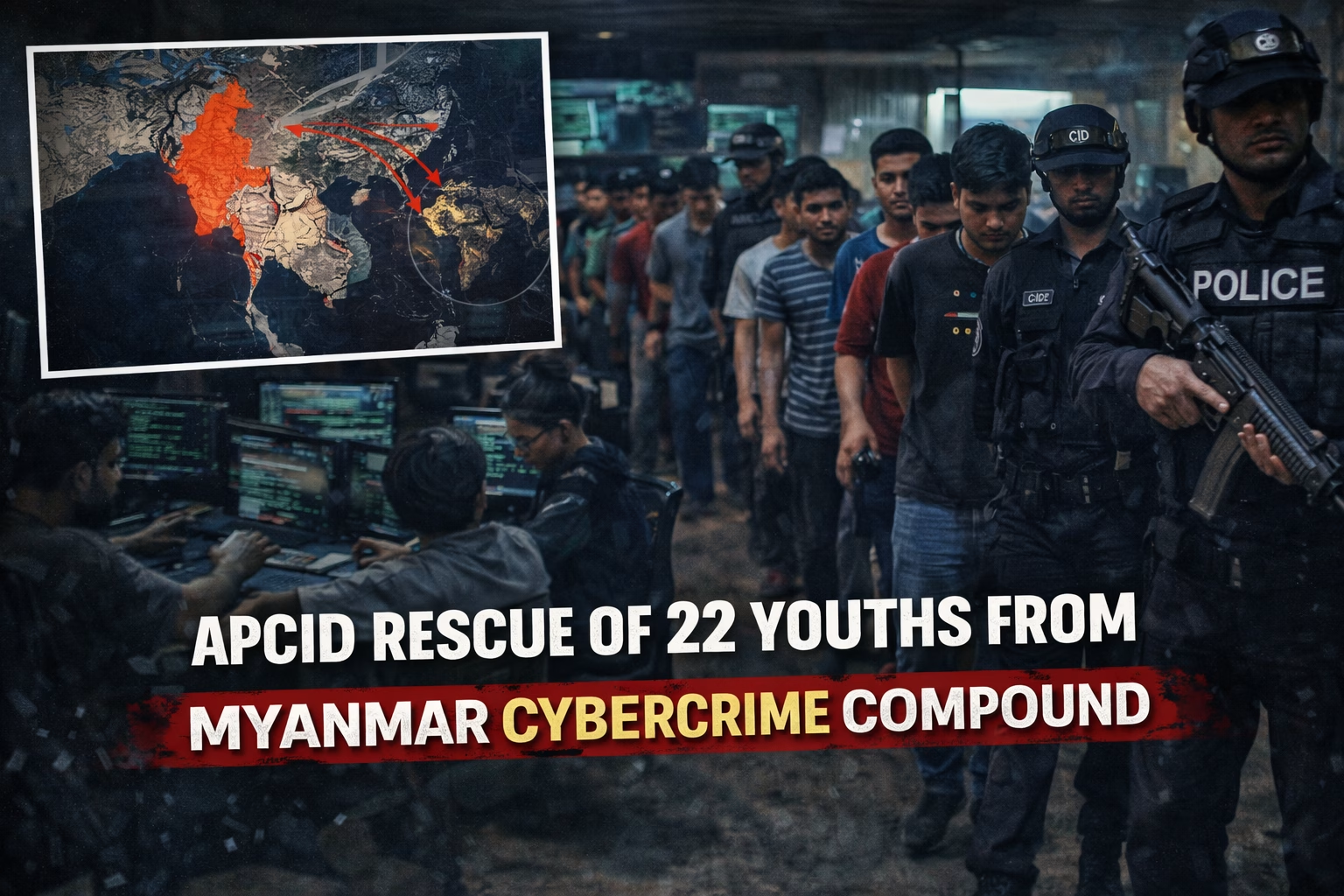
In January 2026, the Andhra Pradesh Crime Investigation Department (APCID), in collaboration with central agencies, rescued 22 Indian youths trapped in a cybercrime compound in Myawaddy, Myanmar. The operation was part of a broader effort to combat the trafficking of Indian nationals into Southeast Asian scam hubs, a trend that has escalated in recent years.
Modus Operandi
International cybercrime syndicates lured Indian youths with promises of lucrative IT jobs abroad, advertising through social media and online platforms. After conducting online interviews, the fraudsters provided flight tickets and arranged for the victims to be escorted to Myanmar. Upon arrival, the youths were detained in heavily guarded compounds and forced to commit online frauds, including romance scams, investment frauds, and cryptocurrency schemes targeting victims in India and abroad. Those who resisted faced physical abuse, threats, and psychological coercion.
Victims and Financial Impact
The rescued group was part of a larger cohort of over 120 youths from Andhra Pradesh who had been trafficked to Myanmar. Nationwide, thousands of Indians are believed to have fallen victim to similar scams, with significant financial and emotional tolls on both the trafficked individuals and the end victims of the frauds they were forced to perpetrate.
Investigation and Agencies Involved
The rescue operation was coordinated by APCID, the Ministry of External Affairs (MEA), Ministry of Home Affairs (MHA), National Investigation Agency (NIA), I4C, and Indian embassies in Myanmar and Thailand. The operation involved intelligence sharing, diplomatic negotiations, and collaboration with international law enforcement and local authorities in Myanmar.
Arrests and Suspects
While the primary focus was on rescuing victims, the operation also aimed to identify and dismantle the trafficking networks. Investigations are ongoing to apprehend recruiters, agents, and compound operators, many of whom operate transnationally and maintain links with organized crime groups in Southeast Asia.
Broader Implications and Trends
This case is emblematic of the rise in human trafficking for cybercrime in Southeast Asia, often referred to as “cyber slavery.” The industrialization of scam compounds, the involvement of armed militias, and the targeting of Indian youth highlight the urgent need for international cooperation, victim support, and robust preventive measures. The Indian government has intensified awareness campaigns and diplomatic efforts to curb this menace, but challenges remain due to the lawless nature of the regions involved and the adaptability of criminal networks.