
Background and Timeline
The Bengaluru multi-state investment scam, uncovered by the Hulimavu police in late 2025 and publicized in January 2026, stands as one of the largest cyber-enabled financial frauds in Karnataka’s history. The investigation began after a businessman reported losing ₹3.3 crore to a fraudulent trading platform. This triggered a special operation that unraveled a vast network operating across several Indian states, with international links extending to Dubai.
Modus Operandi
The syndicate lured victims through aggressive social media campaigns, promoting unauthorized trading and gambling apps such as “Neo Systems” and “Swamiji.com.” Victims were promised high returns and initially allowed to withdraw small profits, building trust. Once larger investments were made, withdrawals were blocked, and the scammers vanished. The operation relied heavily on thousands of “mule” bank accounts—opened by recruiting economically vulnerable individuals for small commissions—to launder and obscure the flow of illicit funds. These accounts were used briefly, often for just 20 days, before being abandoned to avoid detection.
Victims and Financial Impact
The scam’s scale is staggering: over ₹240 crore has been frozen by authorities, with the total fraud estimated to exceed ₹1,000 crore. More than 4,500 mule accounts have been seized, and preliminary data suggests nearly 9,000 such accounts were used nationwide. The network is linked to at least 864 online fraud cases across India, with individual losses ranging from lakhs to crores of rupees.
Investigation and Agencies Involved
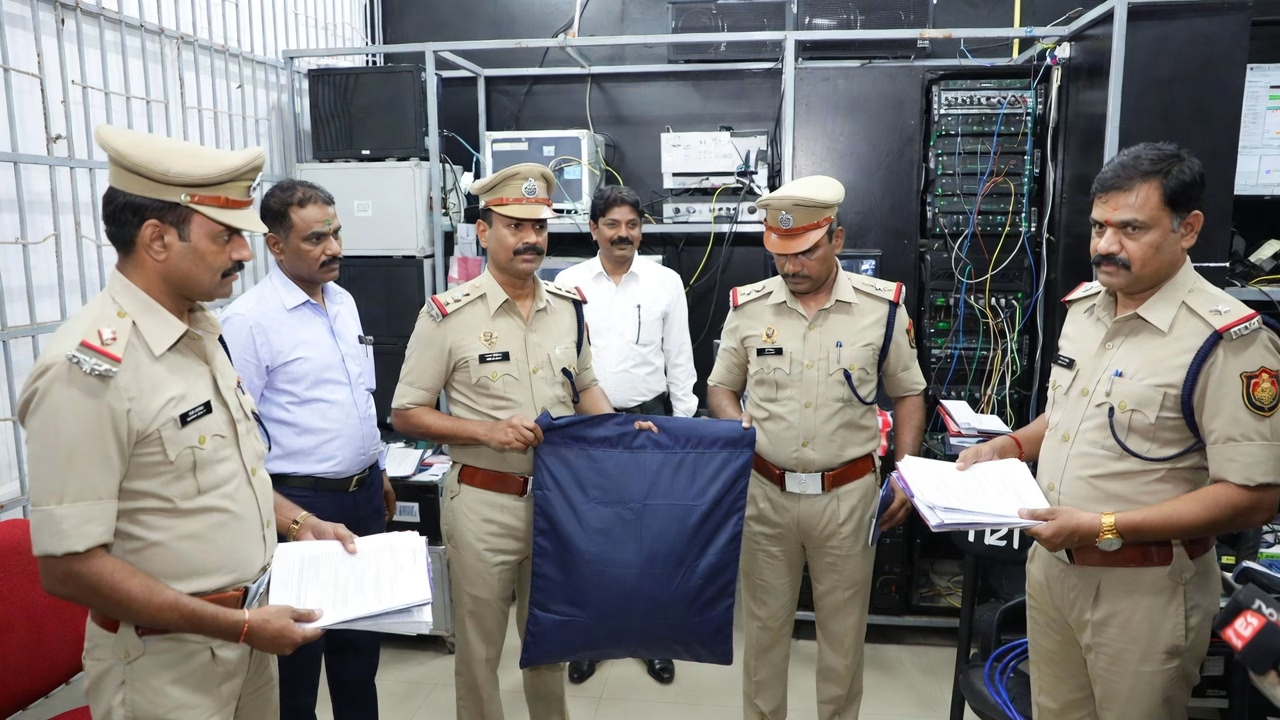
The Hulimavu police led the operation, supported by the National Cybercrime Reporting Portal (NCRP) and the Indian Cyber Crime Coordination Centre (I4C). The investigation involved coordinated raids in Karnataka, Delhi, Uttar Pradesh, Bihar, Rajasthan, and other states. Assets seized include 242 debit cards, 58 mobile phones, seven laptops, luxury watches, gold ornaments, cash, and cryptocurrency-related materials, collectively valued at over ₹1 crore.
Arrests and Suspects
Twelve individuals have been arrested, including key operatives Mohammed Huzaifa and his mother Sabana, who were instrumental in creating mule accounts. The alleged mastermind, Prem Nathaneja (also known as Prem Taneja), is believed to be operating from Dubai and is the subject of a Look Out Circular via INTERPOL. Several family members and associates are implicated, with further arrests expected as the investigation continues.
Broader Implications and Trends
This case highlights the growing use of fake trading and gambling apps in investment scams, the exploitation of banking vulnerabilities through mule accounts, and the internationalization of Indian cybercrime. The involvement of Dubai-based handlers and the use of satellite phones for operational secrecy underscore the transnational nature of the syndicate. The crackdown has prompted renewed calls for stricter KYC norms, AI-based fraud detection tools like MuleHunter.AI, and enhanced coordination between law enforcement and financial institutions.