
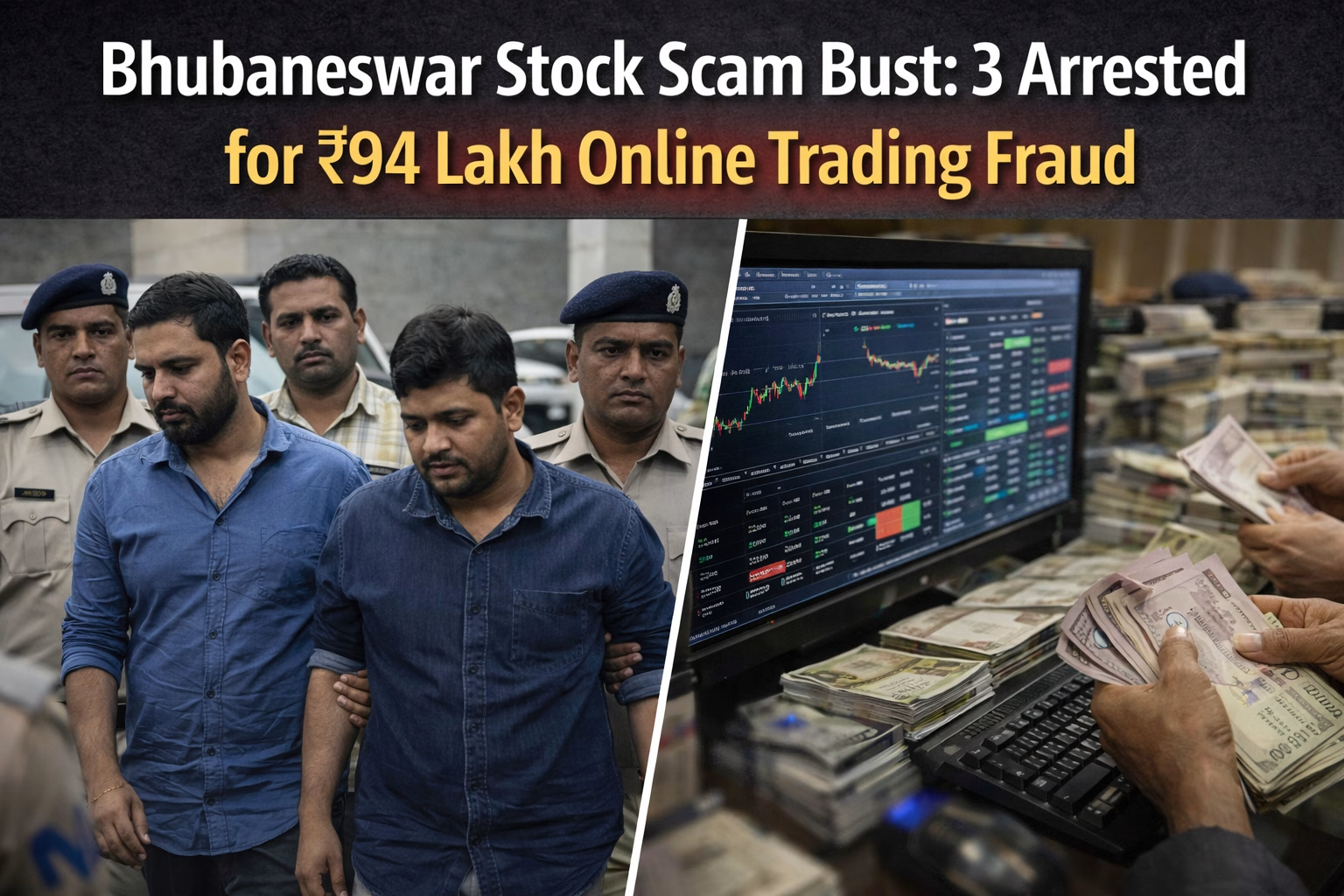
Background and Timeline: The Cyber Police Station in Bhubaneswar announced the arrest of three individuals on Thursday, January 29, 2026, in connection with an organized investment racket. The investigation originated from a complaint filed on December 5, 2025, by a victim who realized his massive “trading profits” were entirely fictitious. This breakthrough follows a detailed audit of transaction trails that revealed the suspects were part of a larger interstate network.
Modus Operandi: The syndicate lured victims through social media advertisements that promised to “double their money” through expert stock trading within a short period. Once a victim expressed interest, they were added to WhatsApp groups filled with fake success stories and provided a link to a fraudulent trading app. To keep the scam going, the app displayed spectacular fabricated profits; however, when victims attempted withdrawal, the fraudsters demanded an additional 30% “processing fee”.
Victims and Financial Impact: The primary victim suffered a staggering financial loss of ₹94.62 lakh, which he transferred in multiple installments believing he was building his trading capital. Within weeks, the victim’s virtual wallet reflected nearly double the invested amount, a classic “phantom gain” tactic used to induce higher-value deposits. The three suspects received substantial amounts of the defrauded money directly into their bank accounts before it was layered.
Investigation and Agencies Involved: Bhubaneswar Cyber Police traced the money trail from the victim’s account to beneficiary bank accounts registered in the Deogarh district of Odisha. Technical experts analyzed digital logs from the messaging platforms used to entice the victim and map the internal hierarchy of the scam. The investigative team is currently working to identify other members of the gang who managed the technical backend of the fake trading application.
Arrests and Suspects: Three men were arrested from the Reamal area in Odisha’s Deogarh district: Lala Basantara (21), Manas Kumar Sahu (30), and Chinmay Sahoo (19). These individuals are suspected of acting as “layer 1” mule account providers who directly received the victim’s capital. All three suspects were produced before a court and remanded to custody as the investigation expands to trace the final destination of the ₹94 lakh.
Broader Implications and Trends: This case reflects a surge in “Social Media Investment Communities” where scammers use educational narratives to bypass the traditional caution of middle-class investors. It underscores the danger of “unsolicited advice” and the necessity of verifying the SEBI registration of any stock market guidance provider. Police warned that demanding additional money for “withdrawing profits” is a definitive hallmark of an organized cyber scam.