
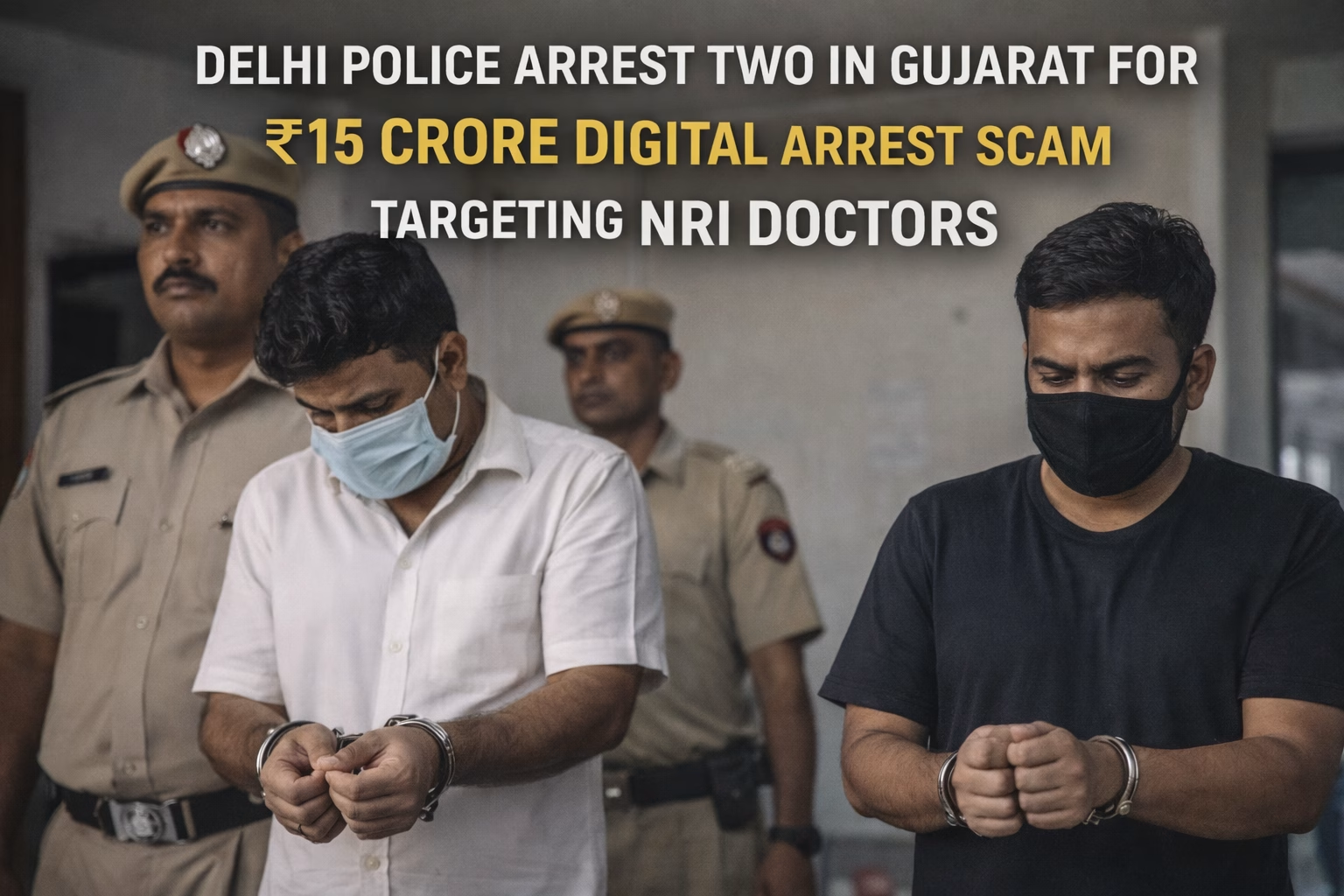
Background and Timeline: The IFSO unit of Delhi Police arrested two suspects in Vadodara, Gujarat, on January 17, 2026, for their role in a record-breaking cyber fraud. The victims, Dr. Indira Taneja (77) and Dr. Om Taneja (81), returned to India in 2015 after spending nearly five decades in the US with the UN. The month-long digital siege began on December 24, 2025, and only ended on January 9 when the couple finally approached authorities.
Modus Operandi: Fraudsters impersonating an IPS officer called Dr. Indira Taneja, claiming her phone number was linked to offensive content and money laundering. For 15 days, the couple was placed under “digital arrest,” kept under 24/7 video surveillance—even during private moments and sleep—to prevent them from contacting family. The scammers used psychological pressure and fabricated court cases citing PMLA violations to coerce the couple into making multiple high-value RTGS transfers.
Victims and Financial Impact: The elderly doctor couple lost exactly ₹14.85 crore in nearly 15 days, effectively wiping out their entire lifetime earnings from the US. Of the total amount, a staggering ₹4 crore was transferred to a single bank account in Vadodara. Investigators have so far managed to freeze ₹1.9 crore to ₹2.10 crore of the stolen money, though the majority was rapidly routed through 700 mule accounts across several states.
Investigation and Agencies Involved: The Intelligence Fusion and Strategic Operations (IFSO) unit led the probe, tracking money trails to locations in Assam, Mumbai, West Bengal, and Uttarakhand. DCP South West Amit Goel and DCP IFSO Vineet Kumar coordinated with Gujarat police to nab the suspects using technical surveillance of bank logs. Seized evidence included ₹14 lakh in cash, gold jewelry, gold coins, and multiple bank passbooks and credit cards from the accused.
Arrests and Suspects: Three people were arrested: Divyank Patel and Krutik Shitoli from Vadodara, and KS Tiwari from Prayagraj. Patel, who ran an NGO, opened a mule account in the foundation’s name to receive ₹4 crore of the fraud proceeds in return for a commission. Shitoli acted as a facilitator for collecting these mule accounts, while the broader network is linked to “scam compounds” in China and Cambodia.
Broader Implications and Trends: This case is one of India’s costliest “digital arrest” frauds, highlighting the extreme vulnerability of high-net-worth senior citizens returning from abroad. The use of NGO bank accounts to “park” funds indicates a strategic shift to hide illicit proceeds within charitable credentials. The Supreme Court has since called for stricter SIM regulations and institutional liability for banks that fail to flag massive transfers from elderly accounts.