
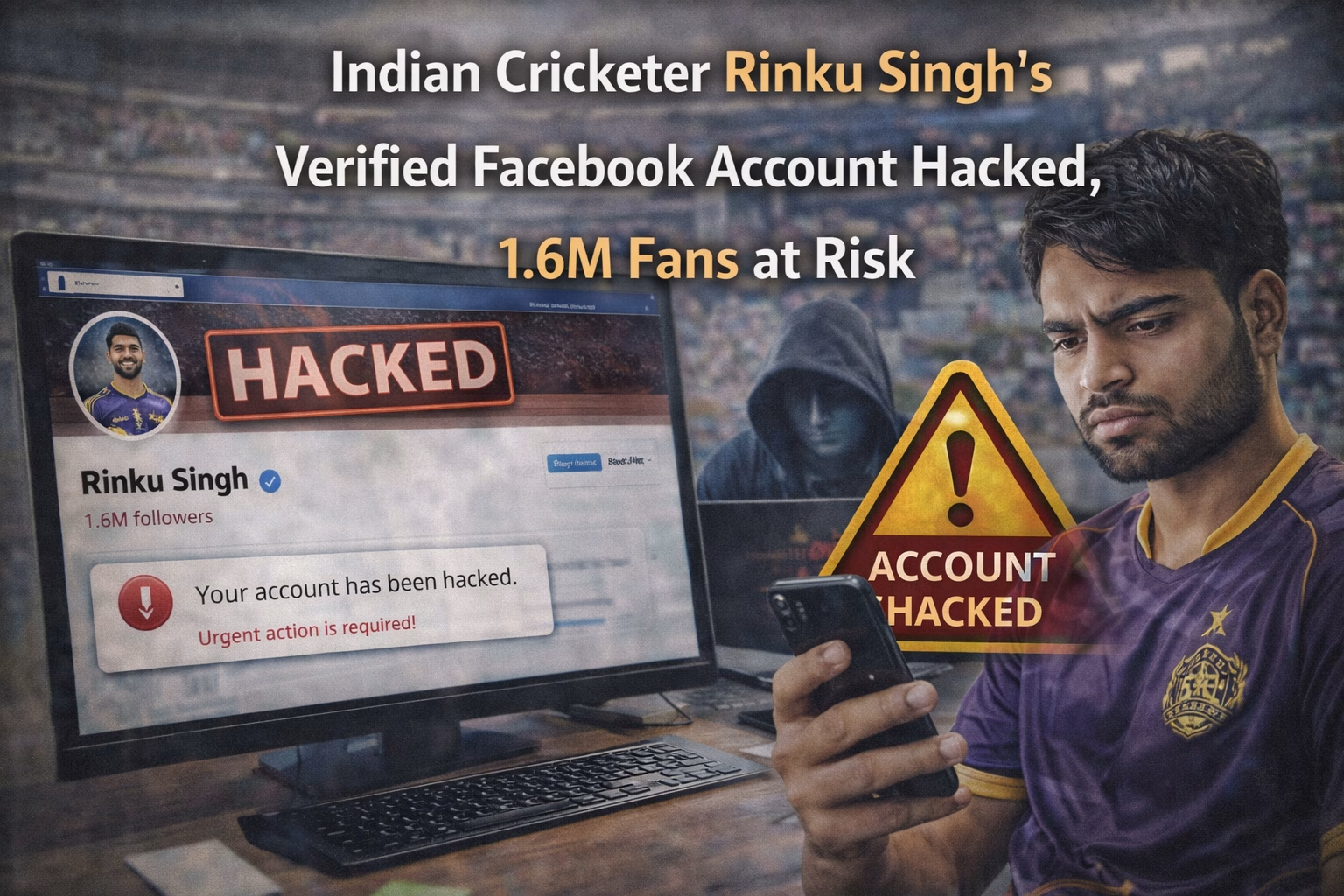
Background and Timeline: On February 7, 2026, it was reported that the verified Facebook account of Indian cricketer Rinku Singh had been compromised. The account possesses a massive following of 1.6 million users, making it a high-value target for influence-based fraud. The cyber crime cell initiated an investigation after unauthorized activity was detected by the athlete’s management team.
Modus Operandi: Attackers successfully hijacked the account and immediately renamed it to something unrecognizable. They began making unauthorized login attempts and making posts which investigators believe were intended for fraudulent income generation through scam links. The hackers likely used a phishing lure or session hijacking to bypass existing security measures.
Victims and Financial Impact: While the immediate victim was the cricketer, the breach placed his 1.6 million followers at high risk of falling for secondary phishing scams. Unauthorized posts could have led to financial losses for fans who trusted the verified identity of the athlete. The reputational risk to the high-profile athlete is significant, as the account remained out of his control.
Investigation and Agencies Involved: The local cyber crime cell is leading the probe into the unauthorized login attempts and the renaming of the account. Investigators are working with platform security teams to trace the IP addresses used by the hackers. They are also analyzing the nature of the posts to determine if they were part of a wider coordinated scam campaign.
Arrests and Suspects: No arrests have been made yet, and the source of the hacking attempt remains under investigation. Police are examining whether the breach was carried out by a domestic group or an international syndicate that targets high-follower accounts. Forensic evidence is still being gathered from the unauthorized sessions to identify the entry vector.
Broader Implications and Trends: High-profile celebrity accounts remain priority targets for cybercriminals because the established trust between the celebrity and their audience allows for rapid fraud monetization. This incident underscores the need for “influence security,” where public figures must use robust authentication to protect their digital identities. It highlights how easily a single breach can expose millions.