
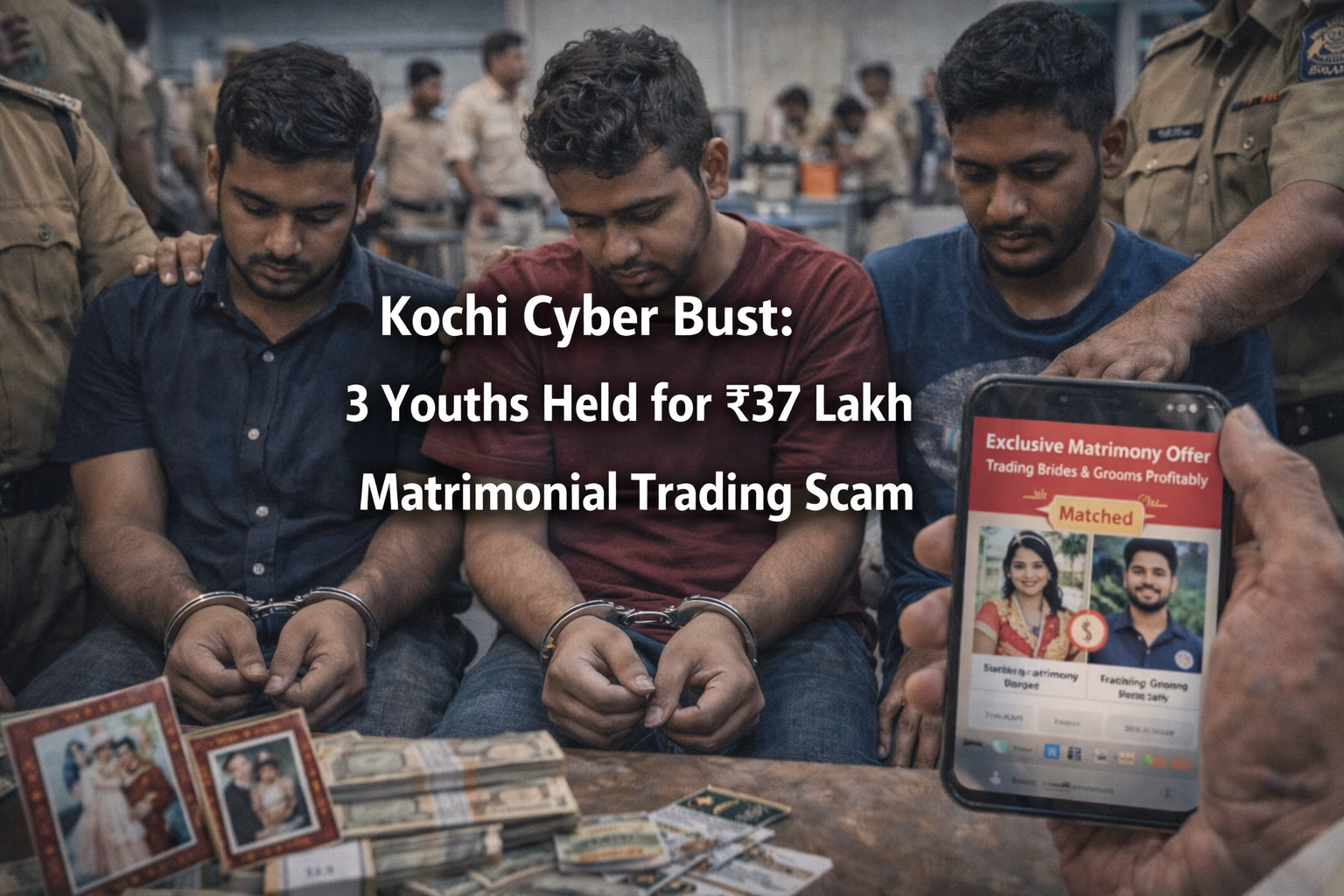
Background and Timeline: The Ernakulam City Cyber Police announced the successful apprehension of three individuals on Monday, February 2, 2026. The case involved the high-value exploitation of a medical professional who had reported a loss of ₹37 lakh earlier this year. This breakthrough marks a significant expansion into investigations of Cambodia-based cyber fraud gangs that are increasingly recruiting local Indian youths for their operations.
Modus Operandi: The primary accused used a “Matrimonial Honeytrap,” befriending a young doctor on a wedding site by posing as an NRI woman seeking marriage proposals. Once a deep emotional bond was established, the scammer persuaded the doctor to invest his savings into a fraudulent trading application that promised extraordinary returns. The other two suspects functioned as the “Cash-Out Cell,” responsible for withdrawing and laundered the proceeds through multiple bank accounts.
Victims and Financial Impact: The Kochi-based doctor suffered a financial loss of ₹37 lakh, which represented his entire professional savings. Investigators found that several other youths from Kerala have been lured into this network on the pretext of overseas jobs. These individuals are often trafficked by road to countries like Thailand, Laos, and finally Cambodia, where they are coerced into conducting cybercrimes under the threat of physical torture.
Investigation and Agencies Involved: Ernakulam City Cyber Police conducted technical forensics on the matrimonial profile and the banking records of the victims. The investigation revealed that the syndicate was run by Chinese nationals based in Cambodian scam compounds. Authorities utilized digital footprints to track the domestic “mule carriers” to various districts in Kerala and Alappuzha, leading to their successful arrest.
Arrests and Suspects: Three youths were arrested: Sooraj Krishna (22) of Alappuzha, and Adhil K.P. (22) and Muhammed Faizal (25) of Malappuram. Sooraj is alleged to have managed the matrimonial impersonation, while Adhil and Faizal were responsible for the manual withdrawal of the cheated funds. All three have been remanded to custody as investigators work to identify the “recruitment agents” who facilitate the trafficking of Kerala youths to Cambodia.
Broader Implications and Trends: This case highlights the “Trafficking-for-Scams” epidemic where Indian youths are both the perpetrators and victims of international syndicates. it underscores the shift from simple online fraud to “Hybrid Operations” involving human rights abuses and international human trafficking. Authorities reiterated that any matrimonial contact requesting investment advice or financial help is a primary signal of an organized criminal operation.