
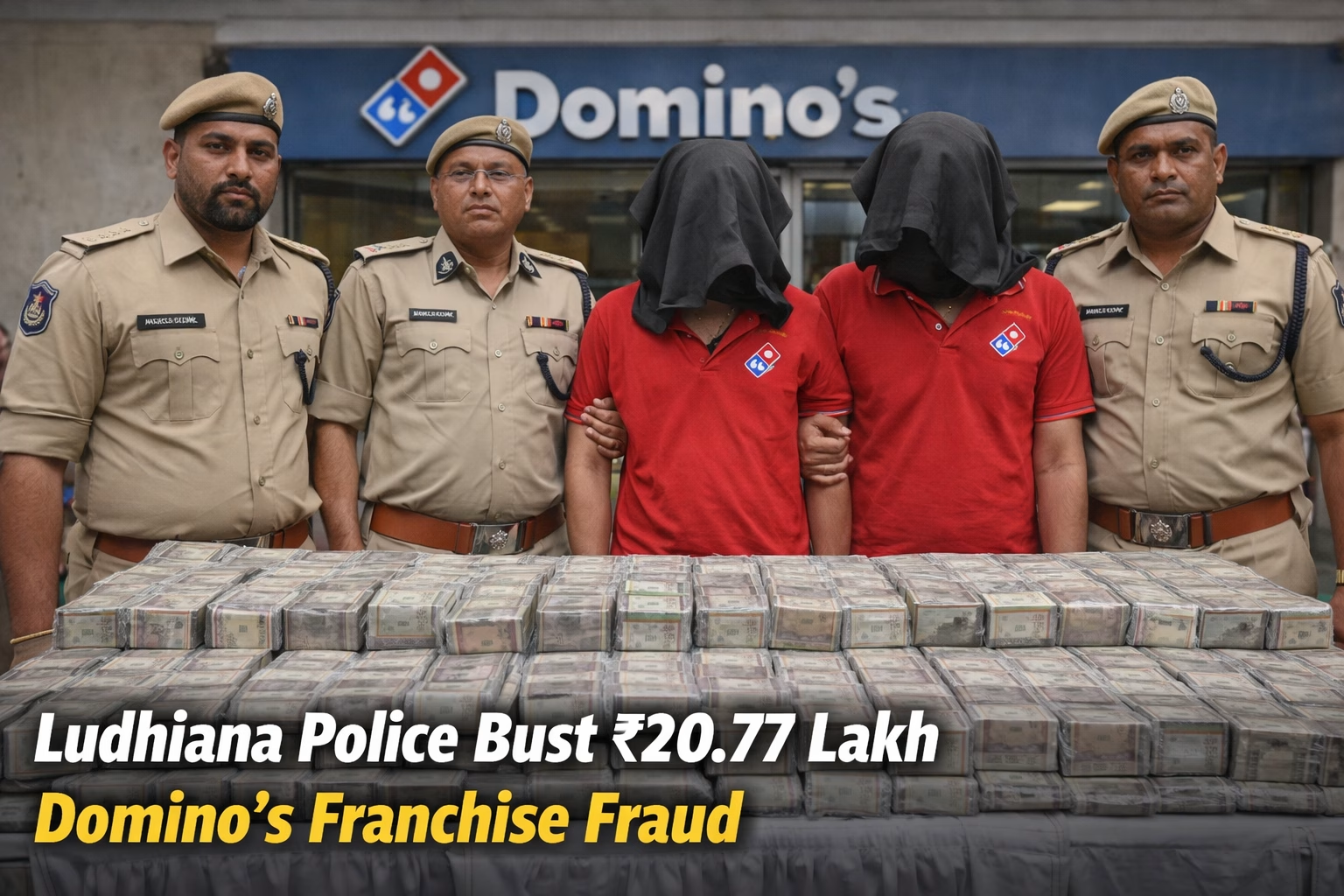
Background and Timeline: The investigation stemmed from a case registered on June 24, 2024, following a complaint by Tarsem Singh Gogoani (48) of Ludhiana. After 17 months of technical and scientific surveillance led by Commissioner Swapan Sharma, the Ludhiana Cyber Cell successfully tracked the syndicate to Bihar. The breakthrough occurred in early January 2026 when the prime accused was brought to Ludhiana on a production warrant from a jail in Nawada.
Modus Operandi: The syndicate created a high-ranking fraudulent landing page on Google for “Domino’s franchise”. When the victim submitted details, the accused, Rajiv Kumar, contacted him posing as a company official. The funds were directed to a bank account in Gujarat opened under the fake identity “Udey Thind”. The money was rapidly moved through multiple layers of secondary accounts before being withdrawn as cash in Bihar to obscure the trail.
Victims and Financial Impact: Tarsem Singh Gogoani suffered a financial loss of ₹20.77 lakh, paid over several transactions for security deposits and legal fees.
Investigation and Agencies Involved: The Ludhiana Commissionerate’s Cyber Crime Police Station led the operation, overseen by ADCP Vaibhav Sahgil and ACP Murad Jasvir Singh Gill. Coordination with Bihar Police was essential to secure the production warrant for the mastermind.
Arrests and Suspects: Two residents of Nawada, Bihar, were arrested: Rajiv Kumar (alias Golu/Rahul Mishra, 23), the key strategist, and Dhiraj Kumar (alias Uday Bind), the account holder. Rajiv Kumar was remanded in police custody until January 15, 2026.
Broader Implications and Trends: The case highlights the sophisticated use of “interstate layering”—where a scam in Punjab uses banking infrastructure in Gujarat and cash-out points in Bihar—to challenge regional police jurisdictions.